Architecture
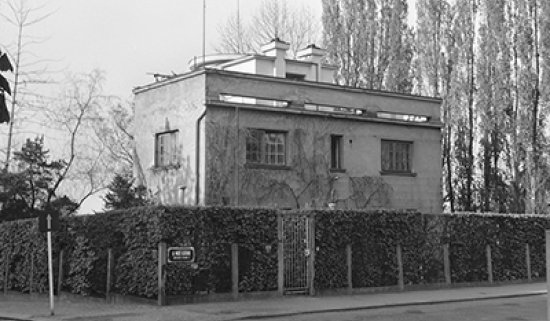
Exterior
Garden
Interior and Exterior
The exhibition, which its authors called The Story of a House and a Family, complements a structurally stabilized building with restored interiors with original loose furniture and (with a few exceptions) also authentic artifacts from the Rothmayer estate – loose furniture, small works of art, glass sculptures, natural objects and a number of other, at first glance, ordinary objects. Only where visitor traffic requires it, were a few pieces of furniture sensitively added. When developing the exhibition concept, it was also determined that the interiors and garden would be restored, as much as possible, to the way they looked at the turn of the 1950s and 1960s. At that time, the villa belonged to one of Prague's smaller centers of informal cultural events, and this period is also best documented photographically. The exhibition in the basement, ground floor and first floor is dedicated not only to the work of Otto and Božena Rothmayer, but also to the circle of their artistic friends at the time.
All rooms in the house, with the exception of the security facilities in the basement, are accessible
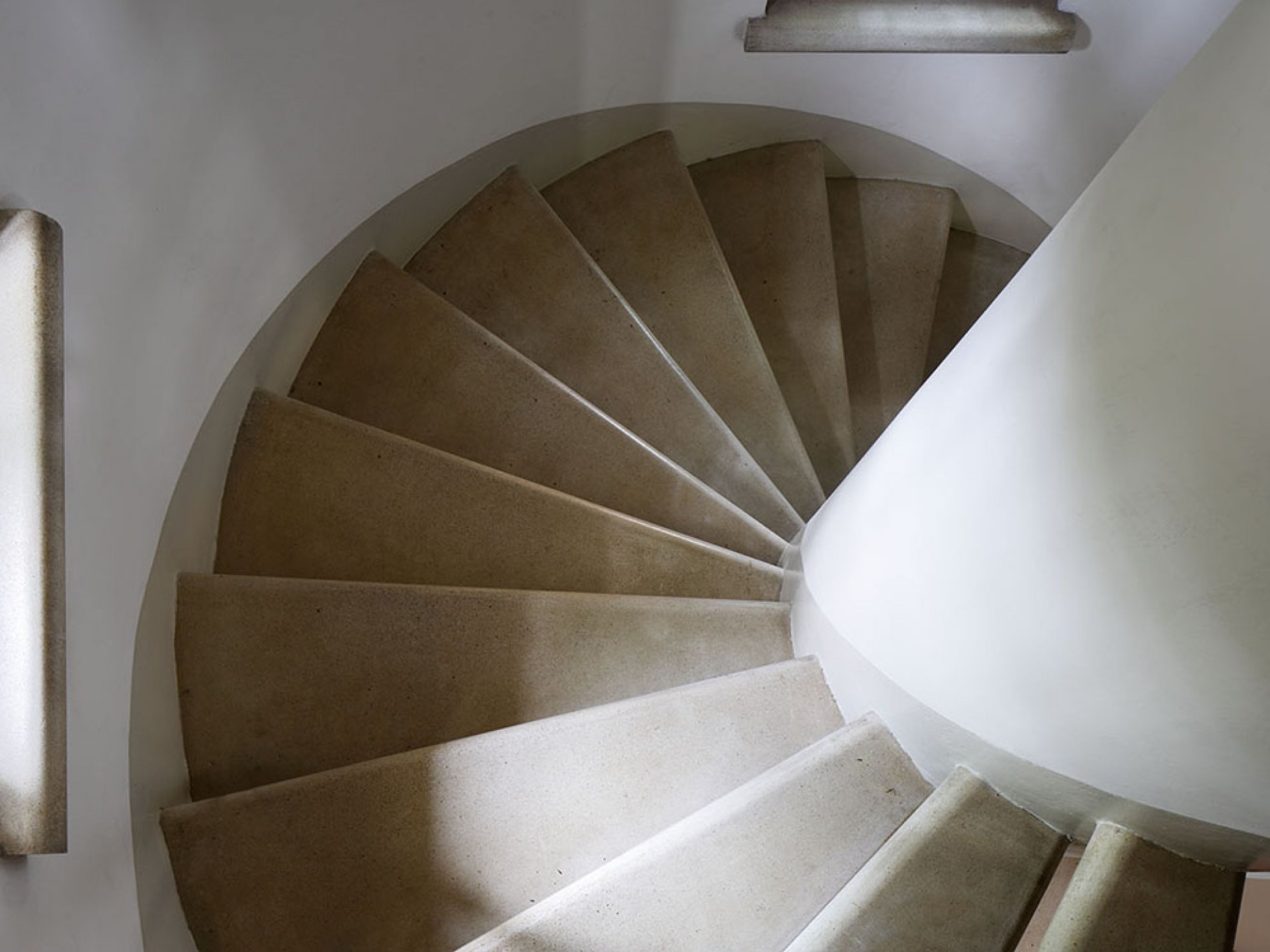
with a guide as part of a single tour. The tour with an explanation begins on the raised ground floor in Božena's original room and continues to the spacious kitchen on the same floor. One floor higher is the architect's study, known from Sudek's photographs, and continues around the bathroom to the "music room" (originally Otto's parents' bedroom) with a unique loudspeaker system. Visitors climb the illuminated spiral staircase to the winter garden and, in case of good weather, also to the terrace with a view of the garden. The tour ends in the former workshop in the basement, a small but cozy common room at the time, and with a visit to the garden.
Garden
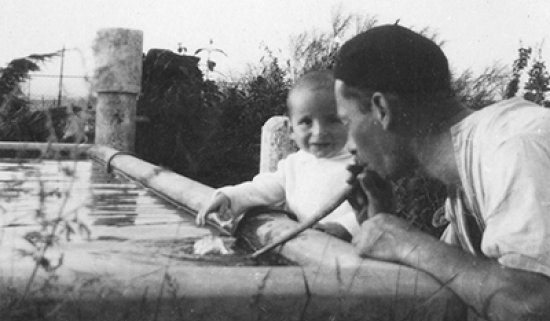
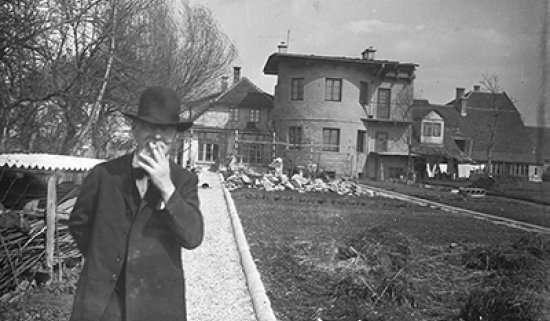
The garden of the Rothmayer villa was used not only for growing fruit, vegetables and flowers, but also for family and friendly gatherings. The initial, strongly geometric composition of the garden with stone paths, rectangular paved areas and a square, low pool was softened over time by planting trees and shrubs – ash, ginkgo, walnut, yew, viburnum or boxwood. A beech hedge grows around the garden itself. A large wooden pergola with brick pillars overlooking the mown lawn created a natural transition between the interior of the house and the garden, which Otto and Božena cared for together. Otto also gradually supplemented the plant world with historical artifacts – remnants of paving stones and architectural fragments from Prague Castle – or pieces of petrified wood and basalt columns. The front, southern part of the garden with the grapevines remained almost unchanged, while the larger northern part became a romantic wilderness with a number of artifacts – metal garden furniture, Plečnik’s castle flowerpots or colorful glass sculptures by René Roubíček. The garden has been largely restored to its original condition from photographs by Josef Sudek and Jan Rothmayer in the late 1950s and early 1960s.