Digitization Department at the Museum of Prague
What Do We Do and Why
We create digital copies of collection items, their digital documentation, and photographic documentation for presentation purposes. Digitization helps us minimize handling and manipulation with the original exhibits, which contributes to their preservation. It is a key component of professional collection care and, as such, the preservation of cultural heritage for future generations.
How Digitization Works and What Types We Offer
Digitization is the process of "converting" physical objects and information into digital form. The digitization process results in several levels of digital representation of collection items, ranging from basic documentation to the creation of final digitized objects. Our goal is to make visual and descriptive information as accessible to the public as possible.
What Types of Digitization Do We Do – Everything You Need to Know About Digitization at the Museum of Prague.
Preservation Digitization
This is a form of digitization aimed at protecting and ensuring the long-term preservation of original collection items. It involves a comprehensive digitization process, converting originals into digital form, including accompanying metadata. The process takes place under standardized conditions and requires adherence to methodological procedures and professional expertise.
Digital Documentation
This is part of the digitization process that we carry out for the purpose of cataloguing and systematic organization of collections. Its goal is to gather a wide range of information about a given exhibit, including its condition. It is not just a digital copy, but a comprehensive visual representation of the exhibit. This makes it easier to search through the collections, as well as to record and manage them.
Digitization Process
Taking Photographs
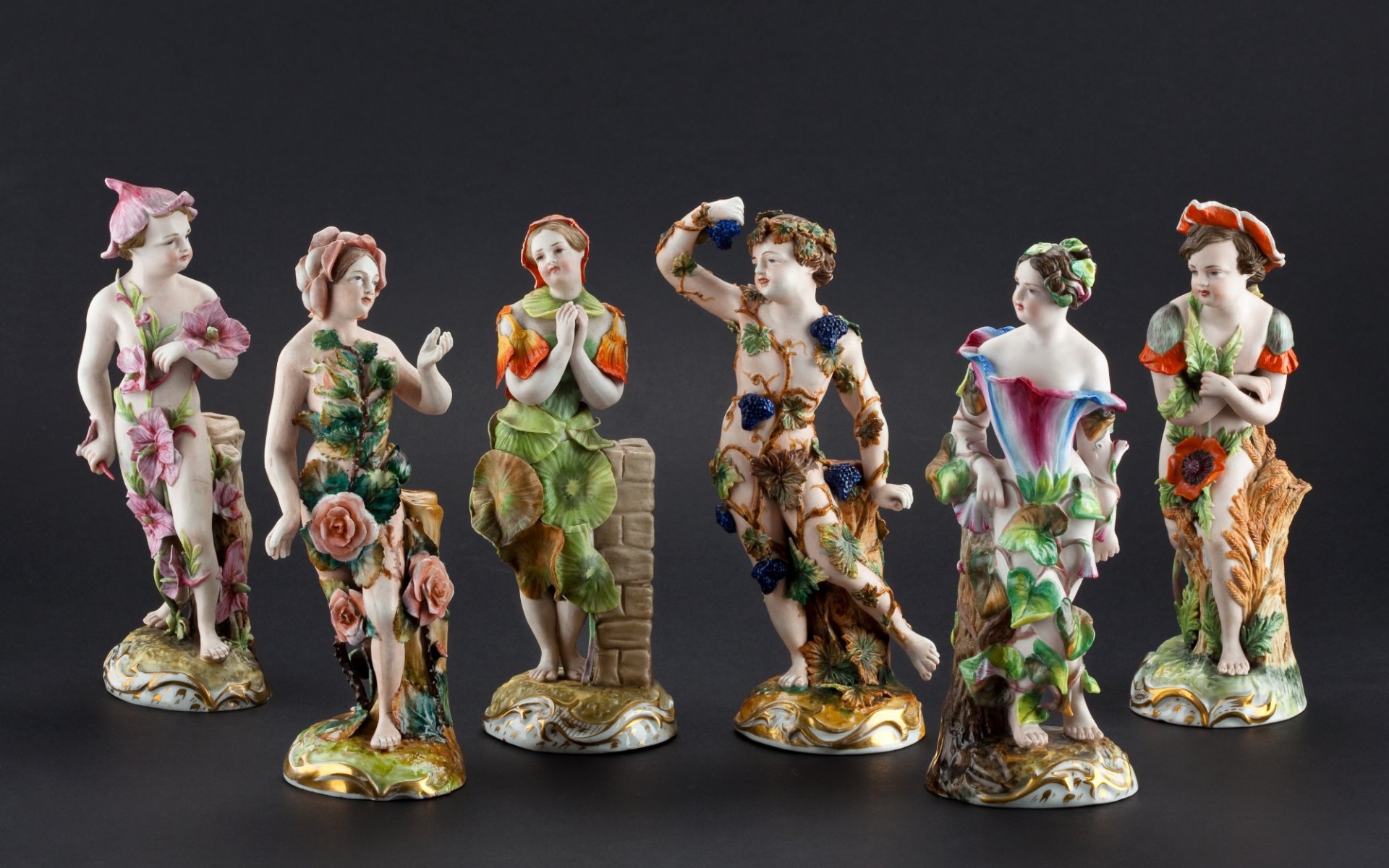
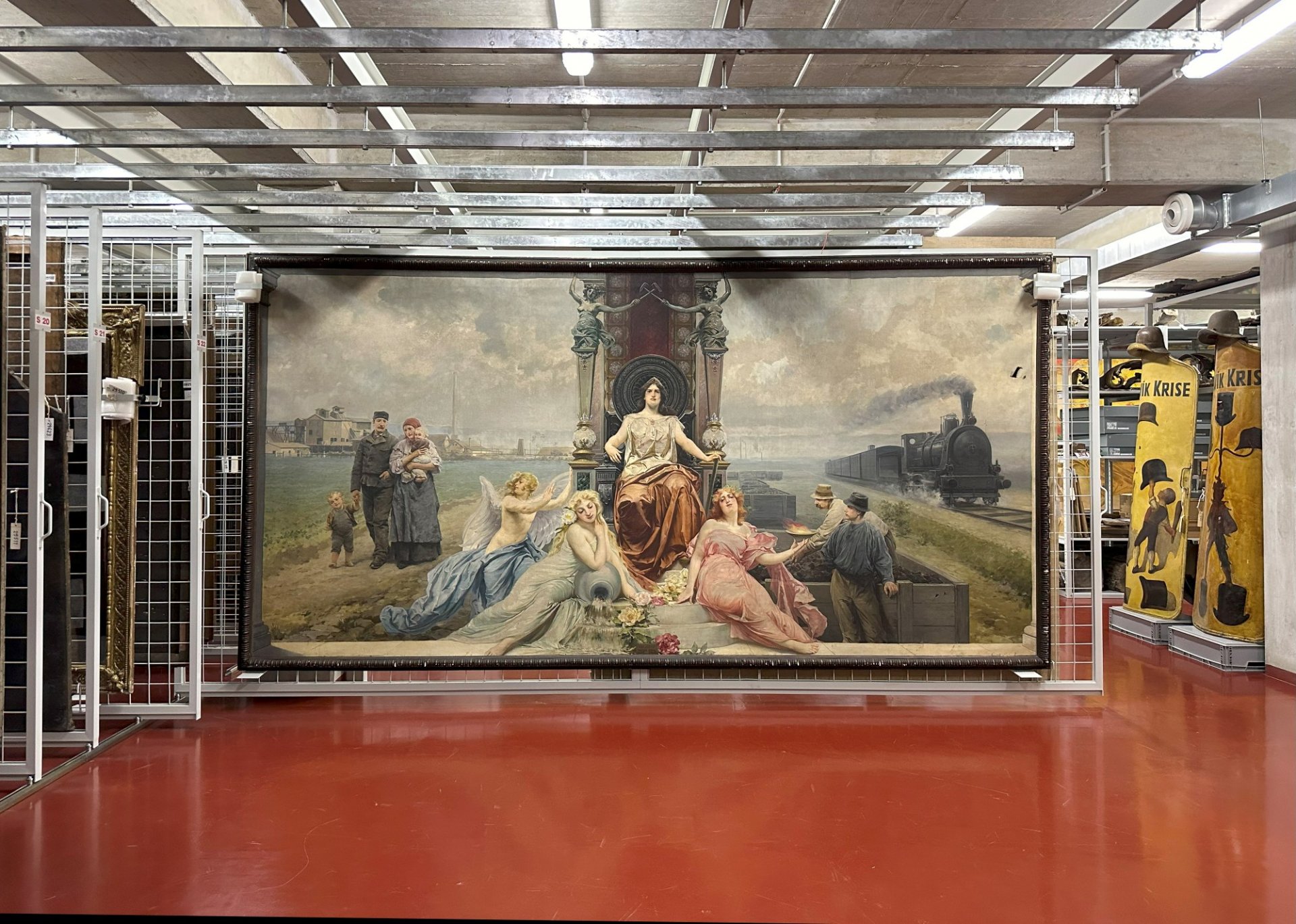
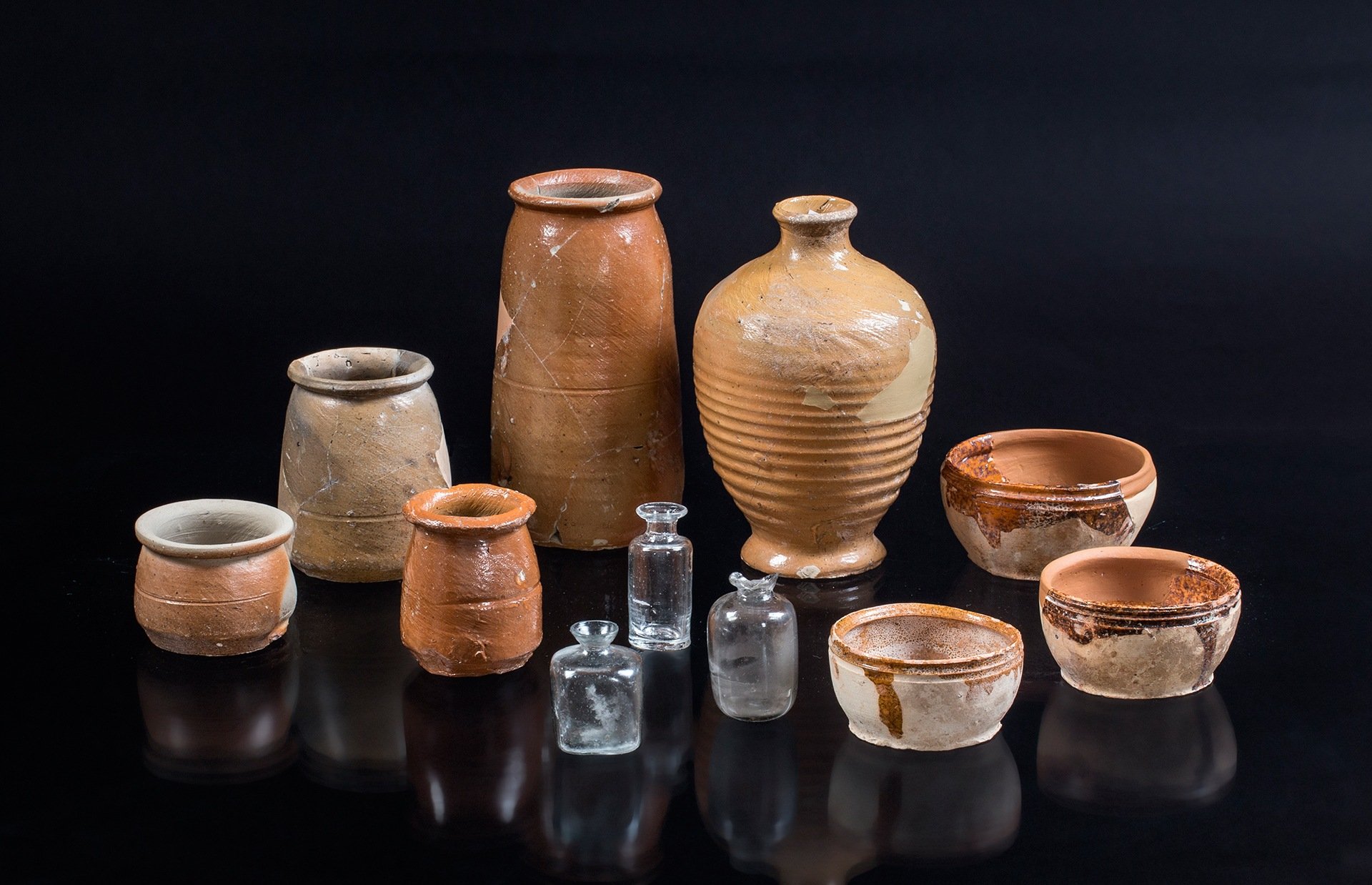
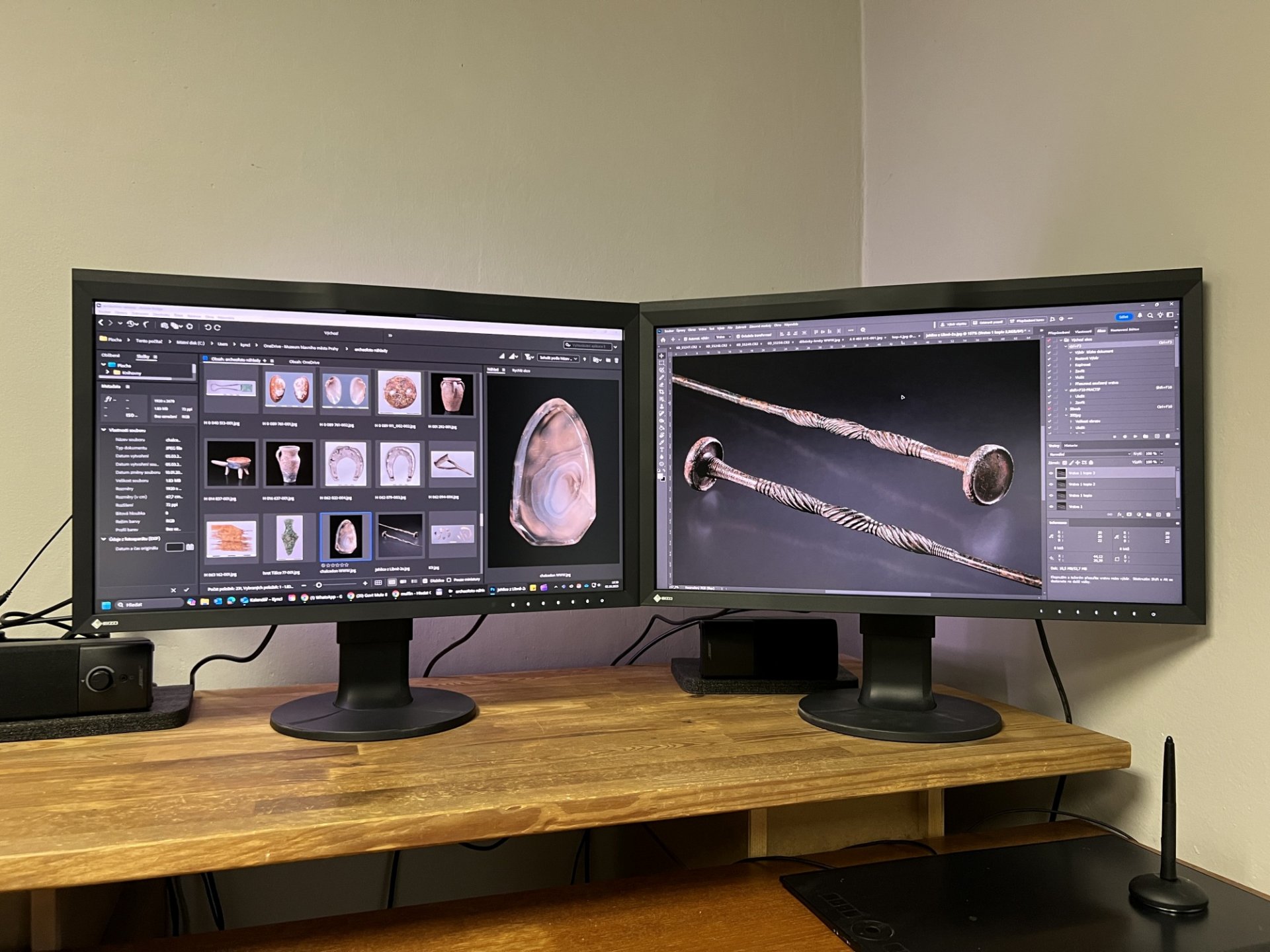
As part of the digitization process, we use professional photographic equipment and controlled lighting to achieve the most accurate representation possible of the colours, textures, and proportions of individual exhibits. We primarily use photography for three-dimensional objects, works of art, historical artifacts, and large objects. This allows us to successfully digitize objects that are large and complex in shape and material. Technical documentary photography conveys clear, objective information, while presentation photography incorporates multiple layers of information. And sometimes, technical precision and the photographer's ability to add aesthetic and artistic quality complement each other. We use digital photography not only to catalogue exhibits and present collections to the public, but also for printed catalogues, expert publications, and virtual exhibitions.
Scanning
Scanning is an important part of the process of digitizing our museum collections. We use specialized equipment and procedures that ensure high image quality and accurate capture of details. Depending on the type of collection item, this may involve scanning reflective materials, paper documents, and photographs, or transparent materials and various types of negatives.
3D Digitization
This technology allows us to create detailed three-dimensional models of collection items and cultural objects. Using specialized technologies, such as 3D scanning or photogrammetry, we can accurately record the shapes, dimensions, surfaces, and structures of objects. This method is used to digitize historical and archaeological artifacts, as well as architectural elements and even entire structures. The
resulting 3D models provide us with entirely new ways to present our collections. Visitors can view objects online from various angles, explore the objects, or browse virtual exhibitions.
Science and Digitization
We also incorporate analytical data from specialized devices such as electron microscopes or spectrophotometers into the digitization process. This is part of scientific research, which has become an integral part of digitization. It is used to extend the digitization process to include additional important technical and specialized layers of information.
The results of digitization form an integral part of most of our museum's scientific outputs; they illustrate its content or even create it.
Publishing Collections
Thanks to publishing digital data, researchers, students, and the general public can discover new connections, share insights, and access cultural heritage from anywhere. Digitized collection items can be easily viewed, shared, cited, and analysed regardless of location or time. This supports research and educational activities without the need to physically view the original exhibits. Our museum uses the national eSbírky portal, its own online collections, Webumenia, and Manuscriptorium, a specialized portal for manuscripts and other rare book documents.
Digital content transcends the physical boundaries of institutions and allows information to flow freely to where it can be used.